48%
GB adults aged 18+ · 2024
gambled in the past 4 weeks; 28% when lottery-draw-only participants are excluded.
0100% of stated population
Reported: 48%
Duty of Care UK
Policy • Research • InterventionTransforming how vulnerability and gambling harms are addressed across the UK through evidence-based research, digital risk monitoring, and compassionate intervention.



Risk Signal • 100% Anonymous
10 Questions. A Clearer Picture.
No login or personal data required. Check your risk level or evaluate digital gambling habits in under 3 minutes.
Take Free Anonymous CheckNo name or login needed • Instant private result
Explore probability and costs, or take a private, non-clinical check-in with Risk Signal.
Research and Insight
National survey findings from 2024, England’s public-health cost estimates, and human-first pathways to support.
48%
GB adults aged 18+ · 2024
gambled in the past 4 weeks; 28% when lottery-draw-only participants are excluded.
Reported: 48%
2.7%
GB adults aged 18+ · 2024
scored 8+ on the Problem Gambling Severity Index (PGSI), the survey’s problem-gambling category. This is not a clinical diagnosis.
Reported: 2.7%
48.0%
Close to someone who gambles
of GB adults reported being close to someone who gambles. Being close does not necessarily mean experiencing harm; 9% of all participants were affected others.
Reported: 48%
14.5%
Affected others · past 12 months
of affected others sought help, support or information due to someone else’s gambling. This includes mental health, welfare, relationship and gambling services.
Reported: 14.5%
£1.05–1.77bn
England · annual modelled cost
estimated annual financial costs to government plus the societal value of health impacts, in 2021–22 prices. Not solely direct costs; the range reflects uncertainty.
Estimated range: £1.05bn–£1.77bn
117–496
England · modelled annual estimate
estimated excess suicide deaths associated with problem gambling or gambling disorder per year. An uncertain modelled association, not a confirmed count or proof of causation.
Estimated range: 117–496
Survey percentages are estimates, not precise population counts. GSGB uses a new methodology and should not be compared directly with older health surveys. England cost and suicide ranges are modelled estimates, not GSGB findings.
No one should suffer gambling harm alone.
Too often, people experiencing problem gambling are met with stigma, judgement, or neglect instead of understanding and support. As a result, gambling-related harm can deepen, affecting not only the individual but also their families, relationships, mental health, finances, and communities.
At Duty of Care UK, we believe that gambling harm is not simply an individual’s burden. It is a societal challenge that requires compassion, awareness, and collective action.
Our mission is to promote earlier intervention, reduce stigma, and improve access to support for those affected by gambling harm. Through education, advocacy, research, and community engagement, we work to create safer environments where people feel seen, heard, and supported.
Care is not optional. It is a shared responsibility.
People before labels. Dignity before diagnosis.
Designing environments where risks are recognised early.
Evidence-led, non-judgemental, and human.
Whether you are struggling yourself or concerned about someone you care about, support is available. Taking the first step towards help is a sign of strength, not weakness.
Together, we can build a future where gambling harm is recognised earlier, support is easier to access, and no one is left behind.
A balanced, evidence-led approach to risk, human behaviour, and harm reduction.
A shared duty of care
An invitation to schools, charities and communities to recognise risk early and protect lives.
Research in the room
Why digital gambling needs proactive support, and how research can help close the gap.
Core philosophy
"People will always take risks in search of happiness, ambition, and recreation. The objective is never prohibition, but protection: ensuring that whatever pleasure an individual pursues, safeguards exist to minimise harm to themselves, their loved ones, and the wider community."
Abisola Olasupo is a UK-based Social Risk Analyst and researcher dedicated to reframing how vulnerability and gambling harms are understood and treated. Rather than viewing harm through the lens of moral failure or stigma, his work bridges academic rigour, clinical insights, and community-level intervention to build structured safety nets.
BSc Biochemistry, then Master of Research (MRes) in Sport, Health and Education from Cardiff Metropolitan University, critically examining the drivers and digital risk environments of online gambling in the UK.
Grounded in compassionate care models via Depression: A Compassionate View (University of Derby) and Psychological Care for People Experiencing Gambling Harm (The Australian Psychological Society Ltd).
Currently developing Next Move, an evidence-informed transitional pathway and digital framework supporting individuals navigating recovery and sustainable reintegration after gambling harms.
Grounded in prevention, early understanding, and non-judgemental support — for individuals, families, and organisations.

Evidence-based UK insight into gambling harm — the scale, the assessment gap, and the human cost.
gambled in the past 4 weeks; 28% when lottery-draw-only participants are excluded.
GSGB annual report 2024 · published October 2025scored 8+ on the Problem Gambling Severity Index (PGSI), the survey’s problem-gambling category. This is not a clinical diagnosis.
GSGB annual report 2024 · published October 2025of GB adults reported being close to someone who gambles. Being close does not necessarily mean experiencing harm; 9% of all participants were affected others.
GSGB 2024 · Insights into affected others, May 2026of affected others sought help, support or information due to someone else’s gambling. This includes mental health, welfare, relationship and gambling services.
GSGB 2024 · Seeking help as an affected other, May 2026estimated annual financial costs to government plus the societal value of health impacts, in 2021–22 prices. Not solely direct costs; the range reflects uncertainty.
OHID evidence update 2023 · executive summary, p.6estimated excess suicide deaths associated with problem gambling or gambling disorder per year. An uncertain modelled association, not a confirmed count or proof of causation.
OHID evidence update 2023 · Table 8, p.45Executive briefing and strategic brochure
Evidence-informed conversations for organisations that want to strengthen their duty of care. Bring research, staff wellbeing and practical safeguarding into the same room.
2026 brochure · Publication pending
Short, trusted videos on spotting the signs early, finding treatment in the UK, supporting someone you love, and real stories of recovery.
How one person's gambling can quietly affect partners, children and wider family — money worries, broken trust and stress at home.
Duty of Care UK
A gentle reminder that gambling harm reaches every member of a household, including the pets who depend on us for care.
Duty of Care UK
The former footballer shares how gambling took hold and what helped him stop.
Glasgow Centre for Population Health
Psychiatrists explain what gambling disorder is and the treatment available in the UK.
Royal College of Psychiatrists
A news report on the gaps people face when looking for help.
Sky News
Practical, kind steps for starting a conversation with someone you are worried about.
Doctor O'Donovan
Harj talks honestly about hidden losses, shame and rebuilding his life.
ODAAT Gambling Awareness
A central place for education, recovery and awareness — articles, videos, books and guides in one hub.
Whether you're living with gambling harm or love someone who is — leave a thought, a piece of advice, or just vent. Every voice is kept anonymously and shown here, time-stamped.
Real, anonymous messages — kept here as a record of every voice that passed through.
Written by our founder — plain-language guides for the person gambling and the people around them.


Family, Friends and Foe
Rebuilding trust, family dynamics, and relational support.
A guide to rebuilding connection when trust has been strained — how to love family, friends, and even the people who hurt you.
Who it's for: Partners, parents and friends of someone living with gambling harm; anyone repairing a relationship.

A Recovery Guide — Gambling Disorder
A structured guide to navigating recovery and breaking cycles of harm.
A practical recovery guide that walks through the pull of gambling disorder and the daily steps that put life back in front of the habit.
Who it's for: Anyone in or starting recovery, and the people walking beside them.
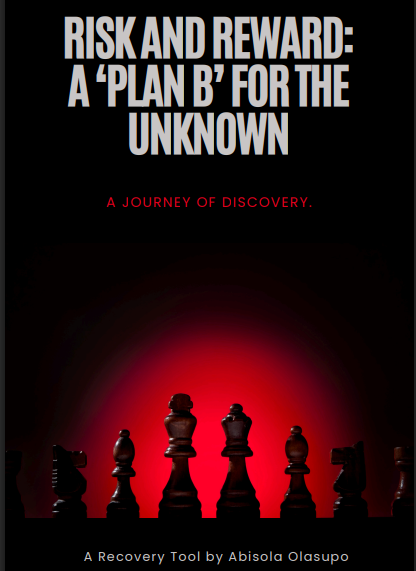
A 'Plan B' for the Unknown
Strategic frameworks and decision-making for managing risk and the unknown.
A recovery tool for thinking clearly about risk, chance and choice, and building a Plan B before the next big decision.
Who it's for: Anyone drawn to high-risk decisions who wants a steadier way to weigh them.
Merchandise for Impact
Every shirt, book, and resource purchased helps support gambling awareness seminars across the United Kingdom — community education, prevention initiatives, lived-experience storytelling, and support for individuals and families affected by gambling harms.
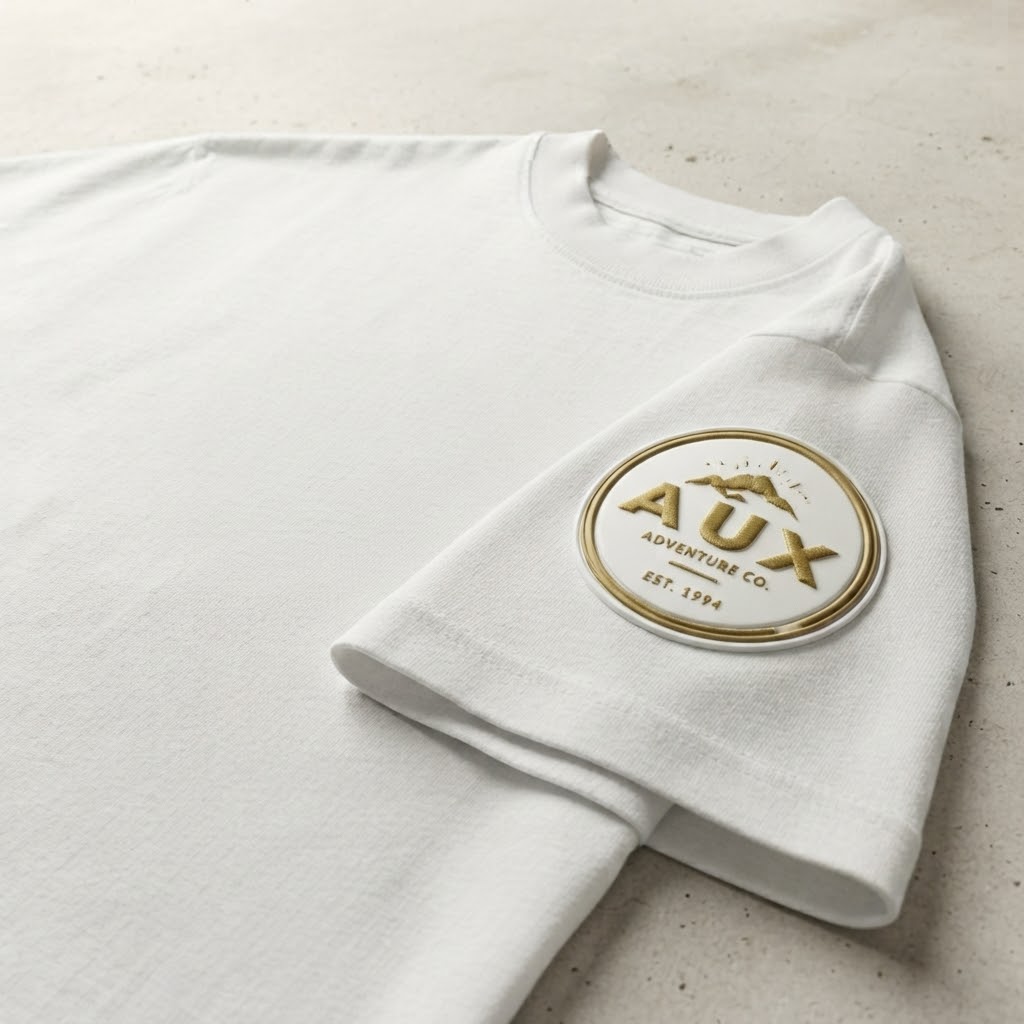
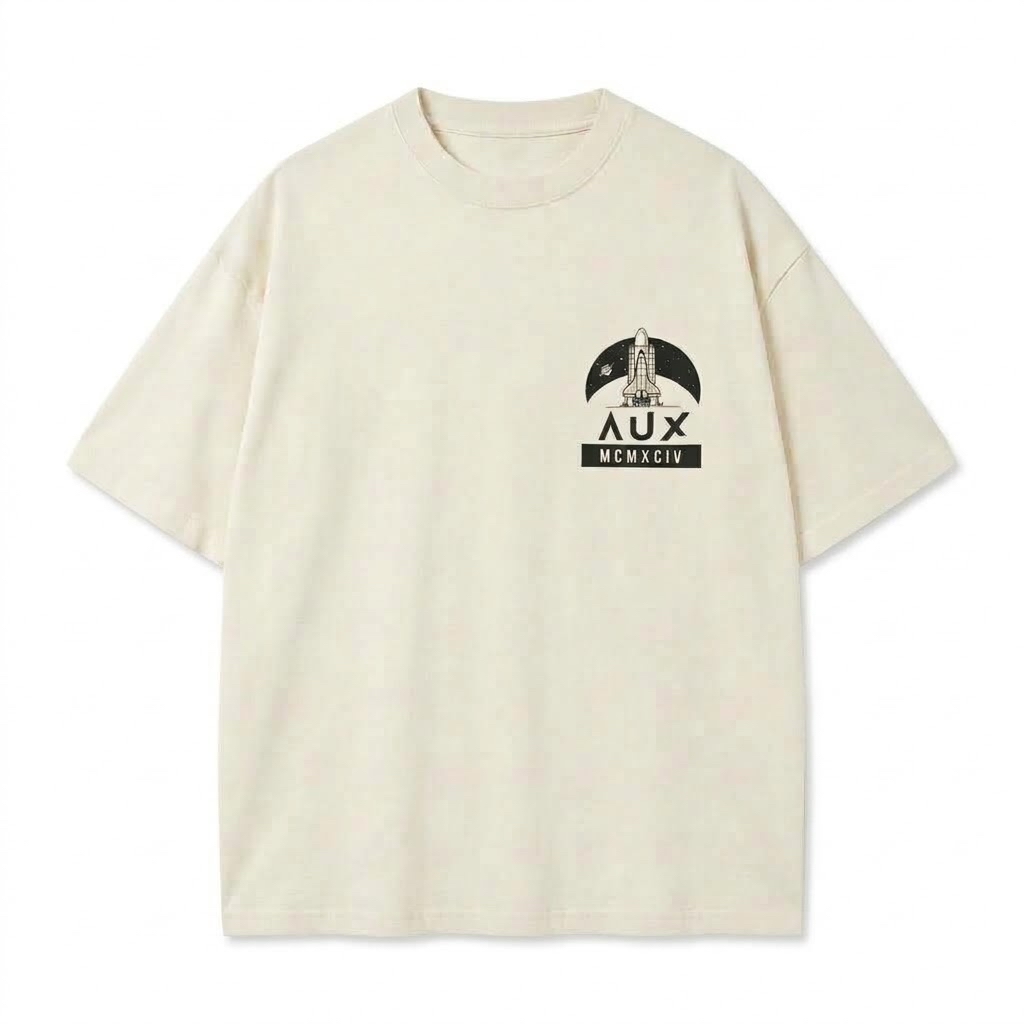
Merchandise purchases directly fund future educational events, community outreach programmes, and prevention initiatives.
Donate and see how funds are usedAwareness collection design in development.
Awareness collection design in development.
Awareness collection design in development.
Awareness collection design in development.
Awareness collection design in development.
Awareness collection design in development.
Awareness collection design in development.
Awareness collection design in development.
We want to be plain about our role. This is an informational and educational service for preventing gambling harm.